

Protection That Extends Pavement Life
Sealcoating in Frederick for asphalt driveways and parking lots exposed to weather and vehicle traffic
Asphalt surfaces fade from dark black to gray as ultraviolet exposure breaks down the binder holding aggregate together, and small cracks develop where water infiltrates and accelerates deterioration. Asphalt Medic LLC applies sealcoating across Frederick to restore a protective layer that blocks moisture penetration and UV damage, extending pavement life by years when applied on a routine schedule. Commercial properties with high-traffic parking areas and residential driveways that face seasonal freeze-thaw cycles both benefit from the barrier sealcoating creates against oxidation and surface wear.
The sealer is a coal tar or asphalt-based emulsion that fills minor surface voids and forms a uniform layer resisting water absorption and chemical exposure from fuel or oil drips, which otherwise soften asphalt and create surface failures. Application timing matters—sealer performs best when applied to clean, dry pavement during warm weather, allowing proper curing before vehicle use resumes.
Request a pavement assessment to determine if your asphalt is ready for sealcoating or requires crack repair first.
How Sealcoating Addresses Pavement Deterioration
Unsealed asphalt absorbs water through its porous surface, and repeated freeze-thaw cycles expand that moisture, creating the small cracks that widen into larger failures. Sealcoating fills surface pores and creates a water-resistant barrier, preventing the moisture intrusion that drives pavement breakdown and reducing the rate at which asphalt oxidizes and becomes brittle.
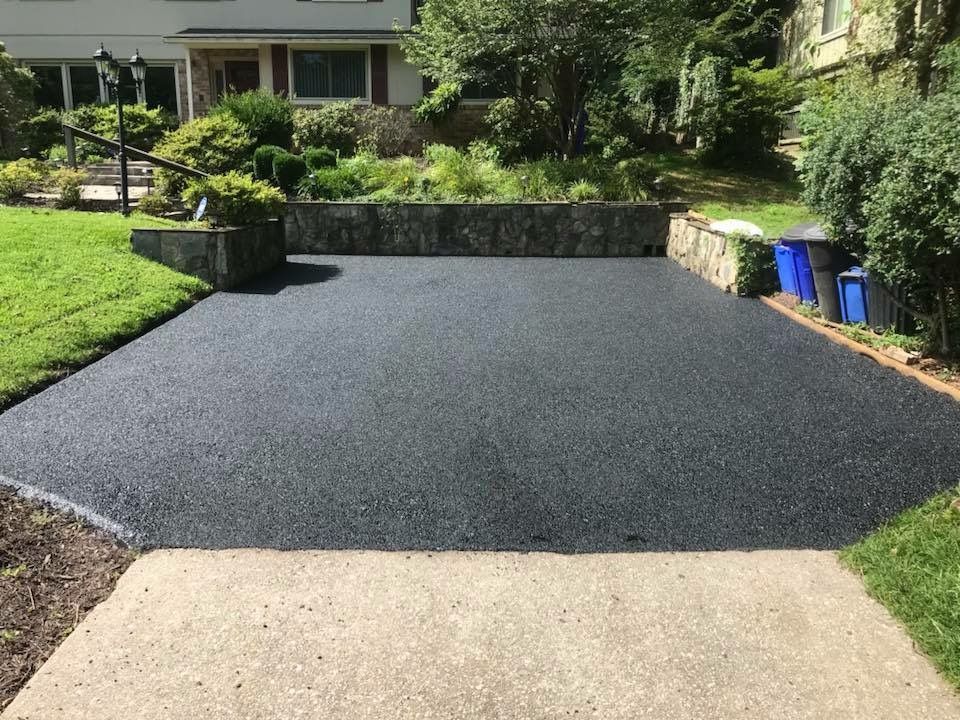
After application, the pavement shows a uniform dark finish that restores the appearance of new asphalt, and water beads on the surface instead of soaking in. The coating also provides a smoother texture that makes snow removal easier and reduces the surface wear caused by tire friction and turning movements, particularly noticeable on driveways and parking stalls.
Sealcoating works as preventative maintenance rather than structural repair—it protects pavement in good condition but does not fill deep cracks or repair base failures. Properties with existing damage need crack filling or patching before sealer application to address underlying issues that sealcoating alone cannot correct.
Answers to Frequent Service Questions
Sealcoating timing and frequency affect how well it protects asphalt from weather exposure and surface wear common in Frederick's climate.
How often does asphalt need sealcoating?
Most driveways and parking lots benefit from resealing every two to three years, depending on traffic levels and weather exposure—high-traffic areas wear the coating faster and may need more frequent treatment.
What weather conditions are required for application?
Sealer cures properly when temperatures remain above fifty degrees for at least twenty-four hours after application, with no rain forecast during that period to prevent washout before the coating sets.
Why does fresh sealcoating look uneven initially?
The coating appears darker when wet and lightens as it dries, and full color uniformity develops over the first few days as curing completes and any surface moisture evaporates.
What preparation does pavement need before sealcoating?
The surface must be cleaned of dirt, vegetation, and loose debris, and existing cracks should be filled so sealer bonds to solid asphalt rather than bridging over voids that will reopen.
How long before vehicles can use sealed pavement?
Most sealers allow light foot traffic within several hours and vehicle traffic within twenty-four to forty-eight hours, depending on temperature and humidity conditions during curing.
Asphalt Medic LLC inspects pavement condition and recommends whether sealcoating alone provides adequate protection or if crack filling should precede sealer application. Arrange an evaluation to establish a maintenance plan that prevents costly pavement failures.